
Your backlinks get removed, deindexed, turned toxic, or quietly switched to nofollow every day, and you’ll never find out until their rankings have already dropped. Backlink monitoring is a system that tracks these before they create permanent damage.
Here, let me explain the concept of backlink monitoring, why it is important in 2026, which metrics to monitor, and how to create the right monitoring process for protecting your earned links.
What Is Backlink Monitoring?
Backlink monitoring is the ongoing process of tracking the links pointing to your website - watching for new links, lost links, and toxic links so you can act before they affect your rankings. It's a continuous system that answers four questions on a rolling basis:
- Who just linked to me?
- Which links did I lose?
- Are any of my links harmful?
- What are my competitors doing that I'm not?
That's backlink monitoring explained in one paragraph.
Why Backlink Monitoring Is Important in 2026
Search engines use backlinks to judge authority and trust. That hasn't changed yet, but a couple of things are added in 2026:
- AI search trust. When we talk about AI Overviews and AI-generated answers, topical authority and credibility take on an incredible significance, and backlinks remain one of the most important signs of authority. An old link profile silently decaying in the background reduces the ability of AI to connect your brand with your topic.
- Silent ranking decay. Rankings rarely drop with an explanation. Often it's because a high-value link got removed during a site redesign and nobody noticed.
- Negative SEO exposure. A sudden spike of spammy links pointed at your site is now a fast, cheap way for a competitor to try to hurt you. Without monitoring, you won't know it's happening until it's already done damage.
- Wasted link building spend. Every link you build costs time or money. If you're not tracking whether those links stay live, you have no idea what your actual return looks like.
The benefits of backlink monitoring go further than defense, though - done right, it's also one of the best sources of new link opportunities you have, since watching competitor link profiles surfaces prospects you'd never find through keyword research alone.
Backlink Monitoring vs. Backlink Audit vs. Link Building
These three terms get used interchangeably, and that causes real confusion. They're not the same thing.
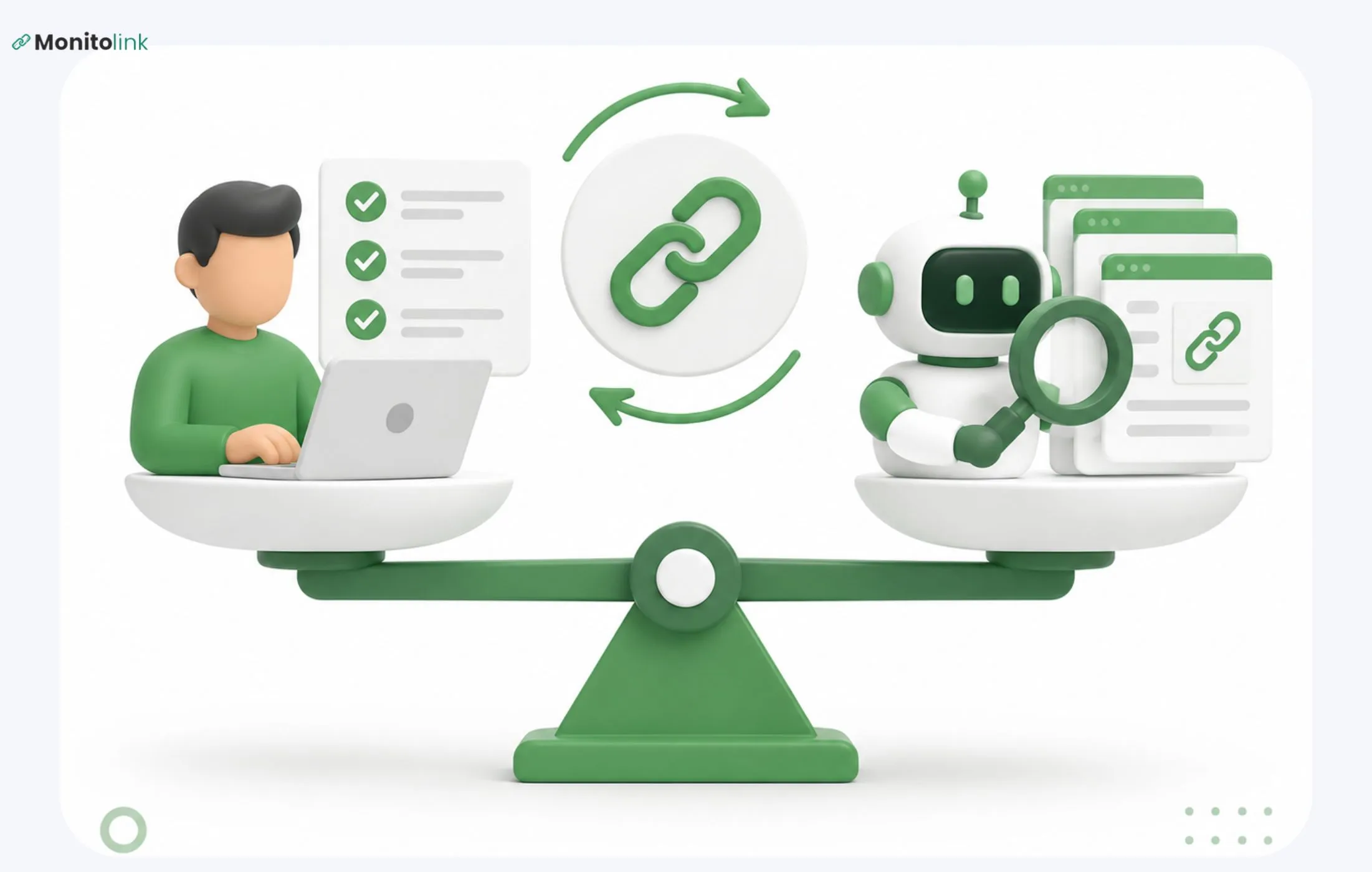
Link building grows your profile. Monitoring protects what you've already built. An audit is the periodic health check that tells you whether your monitoring and building are effective at all. You need all three, and they're not interchangeable.
A lot of teams skip monitoring because they assume an occasional audit covers it, but it doesn't, because links disappear between audits without any alert telling you it happened.
If you want a deeper walkthrough of the audit side specifically, we've covered that in our guide on backlink profile audits.
What Do You Monitor During Backlink Monitoring?
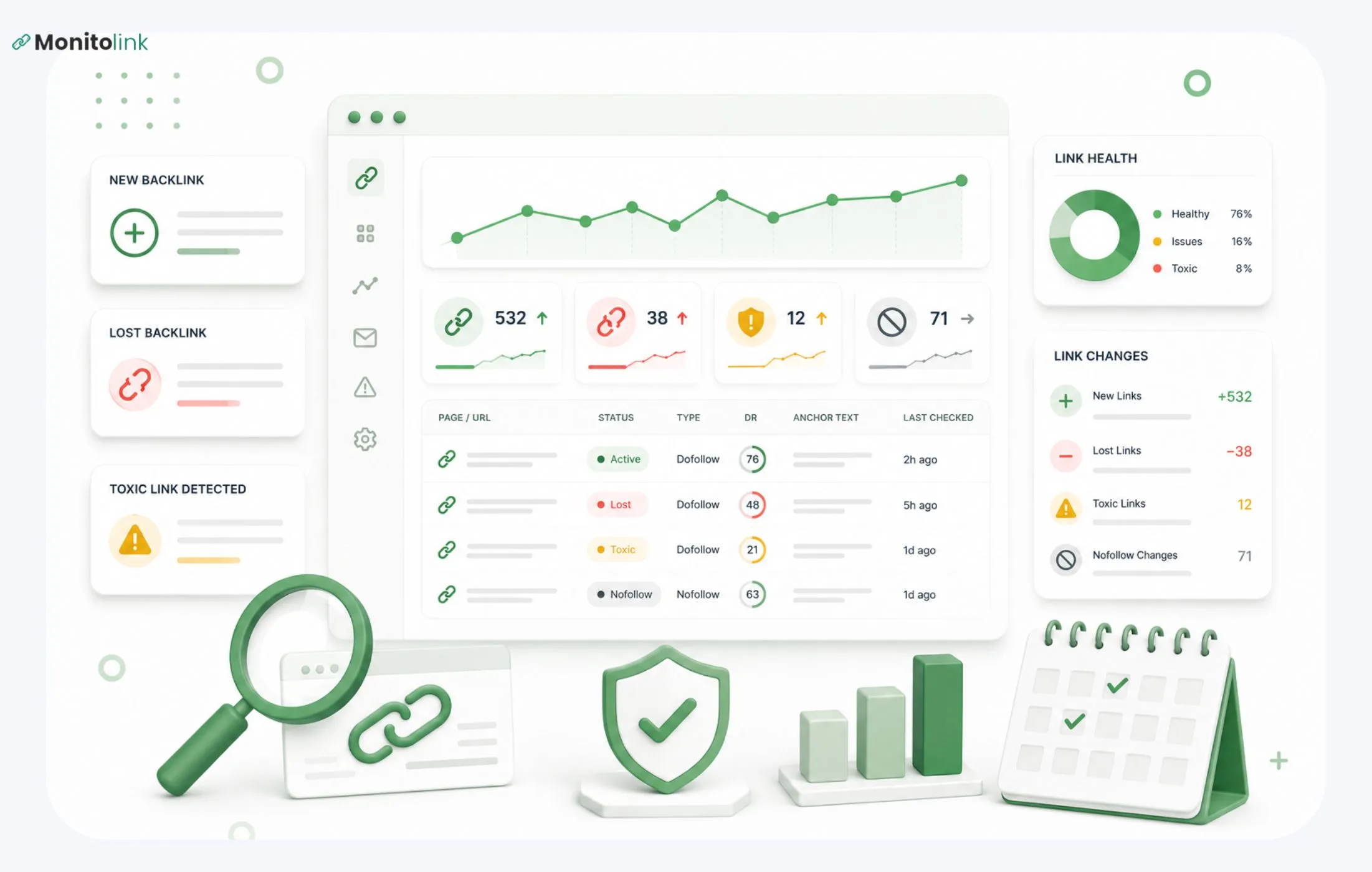
- New backlinks. Every new link is a signal - it tells you what content is earning attention and whether your outreach is working. A sudden spike in new links from low-quality domains is also one of the first signs of a negative SEO attack.
- Lost backlinks. A lost backlink is any link that's gone offline, been removed from the page, or had its target changed. Lost links are one of the most common and most overlooked causes of unexplained ranking drops.
- Toxic and spammy backlinks. These come from link farms, scraper sites, or irrelevant domains, often with commercial anchor text at unnatural volume. A handful won't hurt you, but a pattern of them can trigger a manual penalty.
- Dofollow vs. nofollow status. Dofollow links pass authority; nofollow links don't pass it directly but still add to a natural-looking profile. Watch for links that get switched from dofollow to nofollow after the fact - it happens more than you'd expect.
- Anchor text distribution. A profile where most anchors are exact-match keywords looks manipulated to search engines. A healthy mix includes branded, generic, and partial-match anchors alongside naked URLs.
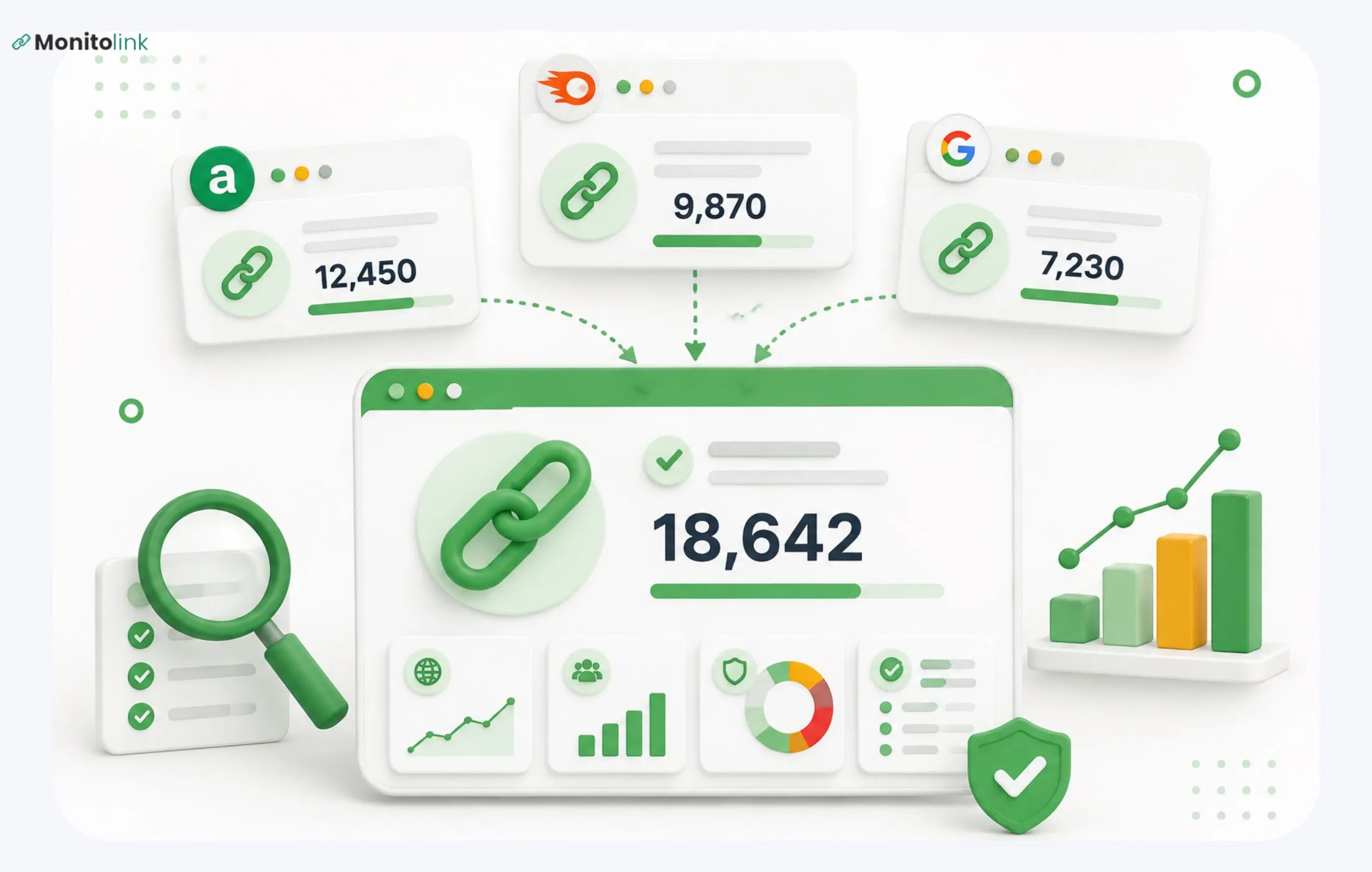
- Referring domain diversity. One hundred links from a single domain are worth far less than links from a hundred different domains. Referring domain growth is a better health signal than raw backlink counts.
How to Monitor Backlinks: A Simple Process
- Set a baseline. Pull your current backlink profile, so you have a starting point to compare against.
- Pick a monitoring tool. Manual spreadsheet checks don't scale past a handful of pages - you need something that recrawls your links on its own.
- Review weekly. Check what's new and what's been lost. Flag anything from a high-authority domain for priority attention.
- Flag and address toxic links. Anything that looks manipulative or clearly irrelevant to your niche goes on a disavow list.
- Recover what you can. For lost links that were legitimate placements, a short, polite outreach email recovers a meaningful share of them - in our experience, recovery rates of 20-40% aren't unusual for guest posts and editorial mentions.
We've written a more detailed walkthrough of step five specifically on how to recover lost backlinks, since it's the step most teams skip.
In practice, steps 2 through 5 don't have to be in four different tools or involve any manual action. A backlink monitoring tool like Monitolink handles the whole process in one place:

- Built-in outreach to contact the site owner directly from the dashboard once a link needs recovering, and
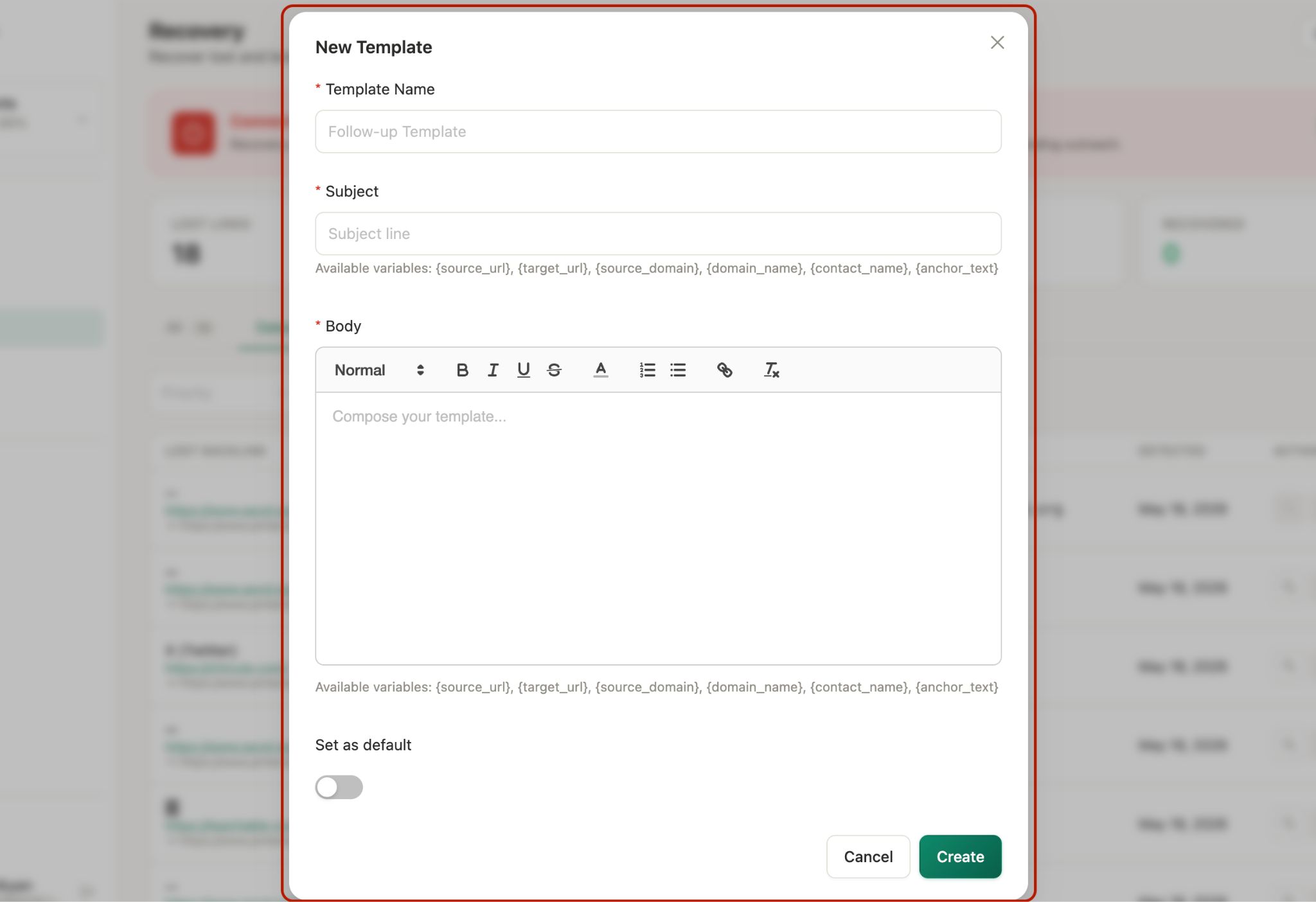
- AI-based toxicity detection to flag what's worth disavowing.
It also surfaces competitor link data and generates white-label reports if you're managing this for clients.
How Often Should You Check Backlinks?
The alert is more important than the cycle of reviewing. If you have to depend on monthly reviews to discover anything, you will take weeks before realizing that the DR 60+ links are not there anymore, and by then, it may affect your rankings.
What Happens When You Lose a Backlink?
First, figure out why it's gone:
- 404 on the linking page - the content was deleted or moved. Check if there's an updated version they can add you back to.
- Link removed, page still live - the webmaster took it out on purpose, often during a content refresh.
- Nofollow added - less urgent, but still worth a note if the link was previously passing authority.
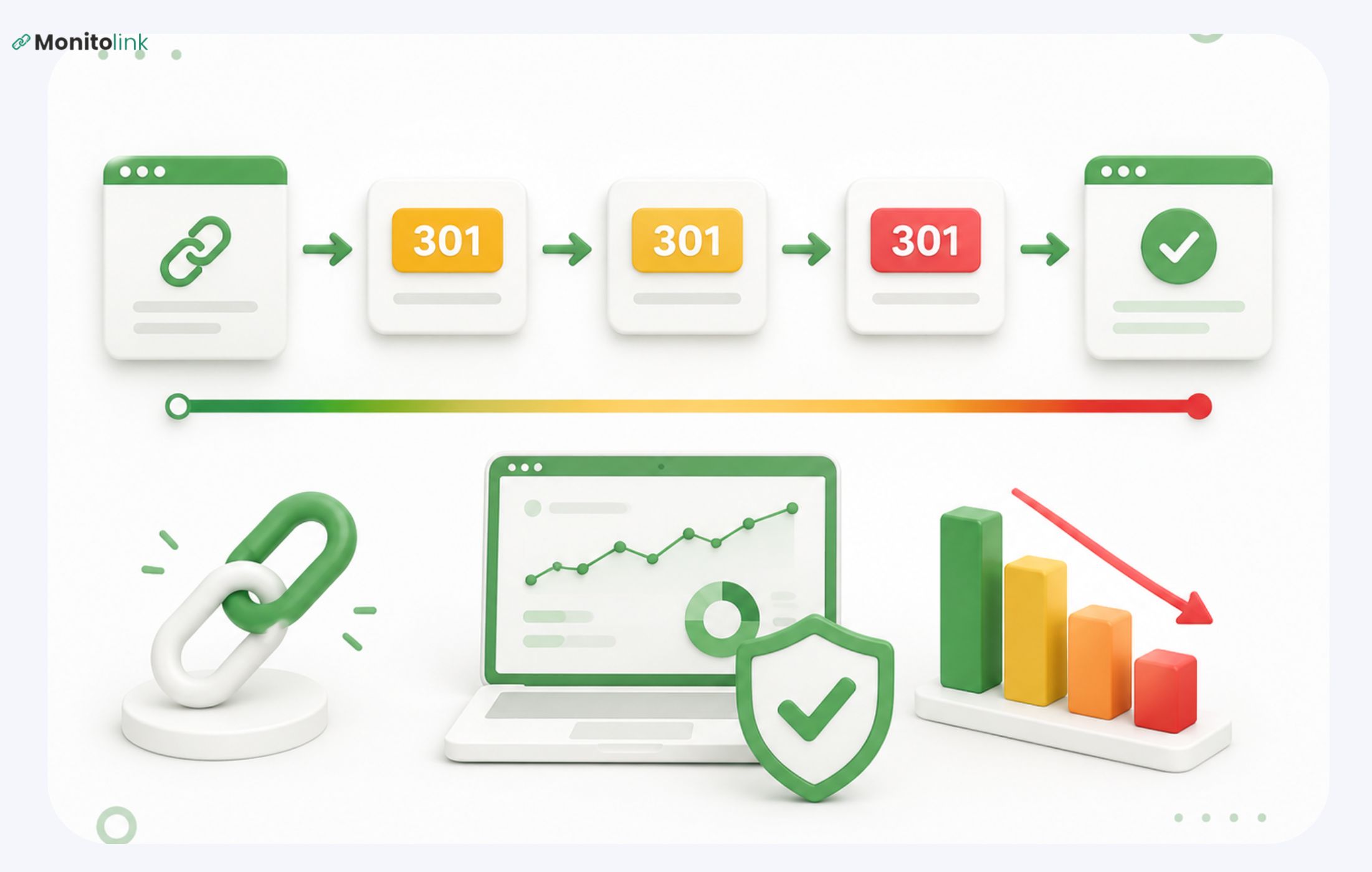
- Your own URL changed - the link may still exist but points to a broken page on your site. Fix your redirect before you do anything else.
Once you know why, a short, non-accusatory outreach email to the original contact is usually the fastest path to getting it reinstated. We go into templates and messaging in more depth in our link building outreach guide.
Best Backlink Monitoring Tools
We have a more detailed guide for this backlink monitoring tool .
Link-building is where you get the links, while monitoring is the one where you keep them working for you. Manage your backlinks as a living asset and don’t treat it as something to be checked once and forgotten, because this is how the websites that succeed are keeping track of the possible issues and gaining authority over time.
And if at the moment you are managing your backlinks with the help of spreadsheets and several different tools, try Monitolink out with a 14-day trial for free without a credit card.
FAQs
Is backlink monitoring the same as backlink tracking?
Yes, these terms are synonyms.
Can bad backlinks hurt my rankings?
A handful of low-quality links rarely causes damage on their own. A large-scale pattern of manipulative links - hundreds of exact-match anchors from link farms, for example - can trigger an algorithmic demotion or manual penalty.
How many backlinks do I need to rank?
No magic number exists. A few links from high-authority sources related to the site topic will always outrank a large quantity of links from irrelevant websites. It is all about quality here.
Can I track my backlinks for free?
Yes, through Google Search Console, but only what Google finds will be tracked with no real-time notifications or toxicity analysis. Free tools are ok to use for initial assessment, nothing more.
Does it matter that my backlinks are nofollow?
Nofollow links do not carry authority value like dofollow links, but still add to the natural look of the profile and bring referral traffic.